Cancer of the rectum is a type of cancer that forms in the cells in the last 15 cm of the large intestine. It has similar symptoms to colon cancer, but rectal cancer may require more specialized treatment than other colon cancers.
The most common symptoms of rectal cancer include constipation, diarrhea, abdominal pain, gas, bloody stools, weight loss and fatigue. Some people may have no symptoms at all, so regular screenings are important.
Risk factors for rectal cancer include old age, genetic predisposition, smoking, poor diet, high fat and physical inactivity.
Rectal cancer is a type of cancer that starts in cells in the rectum, below the sigmoid colon and above the anus. Symptoms of rectal cancer are diarrhea, constipation, or blood in your stool. Treatments are varied as surgery, chemotherapy and radiation. Early diagnosis of rectal cancer is extremely important.
The rectum is an organ that is an important part of the digestive system in the human body. The digestive system takes vitamins, minerals, carbohydrates, protein nutrients and undertakes the task of removing waste materials from the body.
In this article, we will mention the causes of rectum cancer and symptoms of rectum cancer in the first part. You can read about rectum cancer treatmen options and a comparation of rectum cancer and colon cancer. In the final part, we will talk about how to live with rectum cancer.
The exact cause of rectal cancer is unknown. Some risk factors have been identified over the years. Some of the risk factors can be lined up as below:
The most common symptom of rectal cancer is bleeding, and its incidence increases in advanced stages. Unexplained fatigue is also among the strong symptoms of rectal cancer. Some of the other symptoms of rectum cancer can be lined up as below:
If you experience any of these symptoms, it is recommended that you consult your healthcare provider immediately. The underlying cause of these symptoms may be different, but remember that early diagnosis is very important in the management of rectal cancer.
Combinations are often used in the treatment of rectal cancer. Some of the treatment options for rectum cancer can be lined up as below:
If you like to learn more about treatment options for rectum cancer at Ekol International Hospitals oncology clinic, please do not hesitate to concact with our patient help service.
There are some differences and similatiretis between rectum cancer and colon cancer. The colon and rectum are both located in the large intestine. However, they have different bodily functions. The colon absorbs water from the stool and transmits the stool to the rectum. Some of these differences and simularities can be lined up as below:
Living with cancer may not be easy. However, appropriate support and care can be obtained to achieve a good standard of living. Some of the tips for living with rectum cancer can be lined up as below:
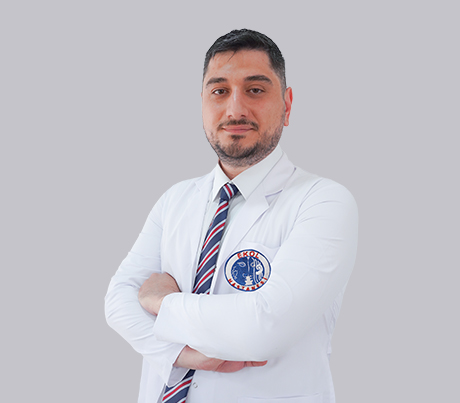 Date of birth
10.11.1987
Education and Expertise
Karadeniz Technical University Faculty of Medicine
Kocatepe University
Ankara University Faculty of Medicine
Konya Health Sciences University
Professional Interests:
Obesity (fatness) surgery and metabolic surgery
Laparoscopic reflux surgery
Laparoscopic gallbladder surgeries
Gastric balloon application
ERCP, EMR, ESD (Advanced Endoscopic procedures)
Laparoscopic pancreatic cancer surgery
Laparoscopic gastric and intestinal cancer surgeries
Hemorrhoid surgeries
Perianal fistula surgeries
Laparoscopic abdominal and inguinal hernia surgeries
Oncoplastic Breast cancer surgeries
Natural cancer surgery (NOSE)
Thyroid cancer and goiter surgeries.
Memberships to Scientific Organizations
Turkish Surgery Association
Turkish Obesity Surgery Association
Surgical Oncology Association
National Society of Endoscopic Laparoscopic Surgery
He is a member of the Bariatric and Metabolic Surgery Association.
Courses and Certificates:
Turkish surgical association proficiency exam (Board) certificate of achievement in 2018
He has more than 100 papers presented in national and international congresses and more than 50 articles published in international journals.
Foreign language
English
Date of birth
10.11.1987
Education and Expertise
Karadeniz Technical University Faculty of Medicine
Kocatepe University
Ankara University Faculty of Medicine
Konya Health Sciences University
Professional Interests:
Obesity (fatness) surgery and metabolic surgery
Laparoscopic reflux surgery
Laparoscopic gallbladder surgeries
Gastric balloon application
ERCP, EMR, ESD (Advanced Endoscopic procedures)
Laparoscopic pancreatic cancer surgery
Laparoscopic gastric and intestinal cancer surgeries
Hemorrhoid surgeries
Perianal fistula surgeries
Laparoscopic abdominal and inguinal hernia surgeries
Oncoplastic Breast cancer surgeries
Natural cancer surgery (NOSE)
Thyroid cancer and goiter surgeries.
Memberships to Scientific Organizations
Turkish Surgery Association
Turkish Obesity Surgery Association
Surgical Oncology Association
National Society of Endoscopic Laparoscopic Surgery
He is a member of the Bariatric and Metabolic Surgery Association.
Courses and Certificates:
Turkish surgical association proficiency exam (Board) certificate of achievement in 2018
He has more than 100 papers presented in national and international congresses and more than 50 articles published in international journals.
Foreign language
English OBESITY CLINIC
 AESTHETIC CLINIC
 DENTAL CLINIC
 OPHTHALMOLOGY CLINIC
 HAIR CLINIC
 ONCOLOGY CLINIC
 EAR&NOSE&THROAT CLINIC
 CARDIOLOGY & CARDIOVASCULAR
 UROLOGY
 ORTHOPEDICS & TRAUMATOLOGY
 GASTROENTEROLOGY
 BRAIN & NEUROSURGERY
 INTERVENTIONAL RADIOLOGY
 DERMATOLOGY
 INTERNAL DISEASES
 INFECTIOUS DISEASES AND MICROBIOLOGY
 PULMONARY DISEASES
 PEDIATRICS
 NEUROLOGY
 PSYCHIATRY
 DIET & NUTRITION
 AUDIOLOGY
 CARDIAC SURGERY
 ANESTHESIOLOGY AND REANIMATION
 EMERGENCY PHYSICIAN
 GYNECOLOGY CLINIC
Our Vision: By using new information and technology, developing as a reference hospital with solutions to health problems based on patient satisfaction with the understanding of quality service.


