Gastric bypass surgery is a procedure that is used to help individuals with obesity lose weight. It involves creating a small pouch at the top of the stomach and connecting it directly to the small intestine, bypassing a portion of the stomach and small intestine. This procedure is usually performed laparoscopically, which means it is done through small incisions using specialized instruments, including a laparoscope (a thin tube with a camera).
The purpose of gastric bypass surgery is to limit the amount of food that can be eaten at one time and reduce the absorption of calories, leading to weight loss. The procedure works by creating a small stomach pouch that can only hold a small amount of food, so the individual feels full after eating a small amount. In addition, by bypassing a portion of the small intestine, the procedure can also reduce the absorption of calories from the food that is consumed. Gastric bypass surgery is a proven and effective way for individuals with obesity to lose weight, and many people experience significant weight loss within the first year after the procedure.
Gastric bypass surgery is done to reduce the calories patient takes. That makes the patient lose weight. The stomach is disconnected on the top part and made a small porch first. Then, a loop of the small intestine is brought up and connected to this porch. The GI (gastrointestinal) tract is rerouted. It is known that surgeons bypass about 95% of the stomach in this procedure.
In terms of weight loss, gastric bypass is said to be more effective than other types of weight loss surgeries. Rerouting the GI tract causes hormonal changes and fast weight loss.
In this article, we mention the benefits of gastric bypass first. Some other subtitles of the main title such as the procedures of gastric bypass, the process of gastric bypass and the long-term effects of gastric bypass are also can be read in this article.
There are different types of bariatric surgery procedures and types of gastric bypass. For instance, Roux-en-Y gastric bypass is suitable if your body mass index (BMI) is 40 or more.
Having bariatric surgery may be a life-changing decision if you think about its many benefits.
One of the most preferred bariatric surgeries is gastric bypass surgery and it has several benefits. The benefits of gastric bypass surgery can be explained below:
If you are considering gastric bypass surgery, find a certified medical center and visit a surgeon to learn more.
Gastric bypass surgery, also known as “Roux-en-Y gastric bypass procedure” “Bariatric bypass surgery” or “Stomach bypass surgery” is one of the most common weight-loss surgeries in many countries today. A usual gastric bypass surgery takes about 1.5 hours. The patients are under general anesthesia during the procedure. The patient stays at the hospital for 2 or 3 nights. The recovery period is two weeks.
The main steps that are performed in a gastric bypass surgery by the surgeon can be lined up as below:
You start preparing for a gastric bypass surgeon with a physical activity program given by your surgeon. You may have restrictions on eating food, drinking, and medication. If you smoke, you are asked to stop smoking by your surgeon as well. A gastric bypass surgery must be done at a hospital by a medical expert. You should visit the medical center where you will have gastric bypass surgery several times before the surgery. Talk to your surgeon about every detail on your mind related to the surgery, before and after the surgery as well.
After a successful gastric bypass surgery, and staying at the hospital for a while you can go back home for the recovery period. There are common side effects of gastric bypass surgery and you will be informed about them. Your surgeon will recommend some vitamins and minerals including iron, calcium, and B-12. During six or seven months after the surgery, you should frequently visit the surgeon. The surgeon monitors your health during that time.
As we mention above, gastric bypass patients take vitamin and mineral supplements as the gastric bypass surgery reduces the body’s ability to absorb nutrients. That may cause anemia and some other problems for the patient. The patients may suffer from low blood sugar after the surgery. That’s why you should not skip meals in the recovery period of gastric bypass surgery.
After a year of the surgery some patients, about 1-2%, may experience abdominal colic due to the development of an internal hernia.
Rapid weight loss after gastric bypass can cause some problems for the patient:
Increases the risk of developing gallstones
You may experience temporary hair thinning for six months
Loose skin occurs on the tummy, at the tops of the arms and thighs, or over the breasts in most patients
In addition, psychological distress may be seen in some cases, as the relationship with food changes
It is important that your goal is long-term weight loss and do not think in the short term.
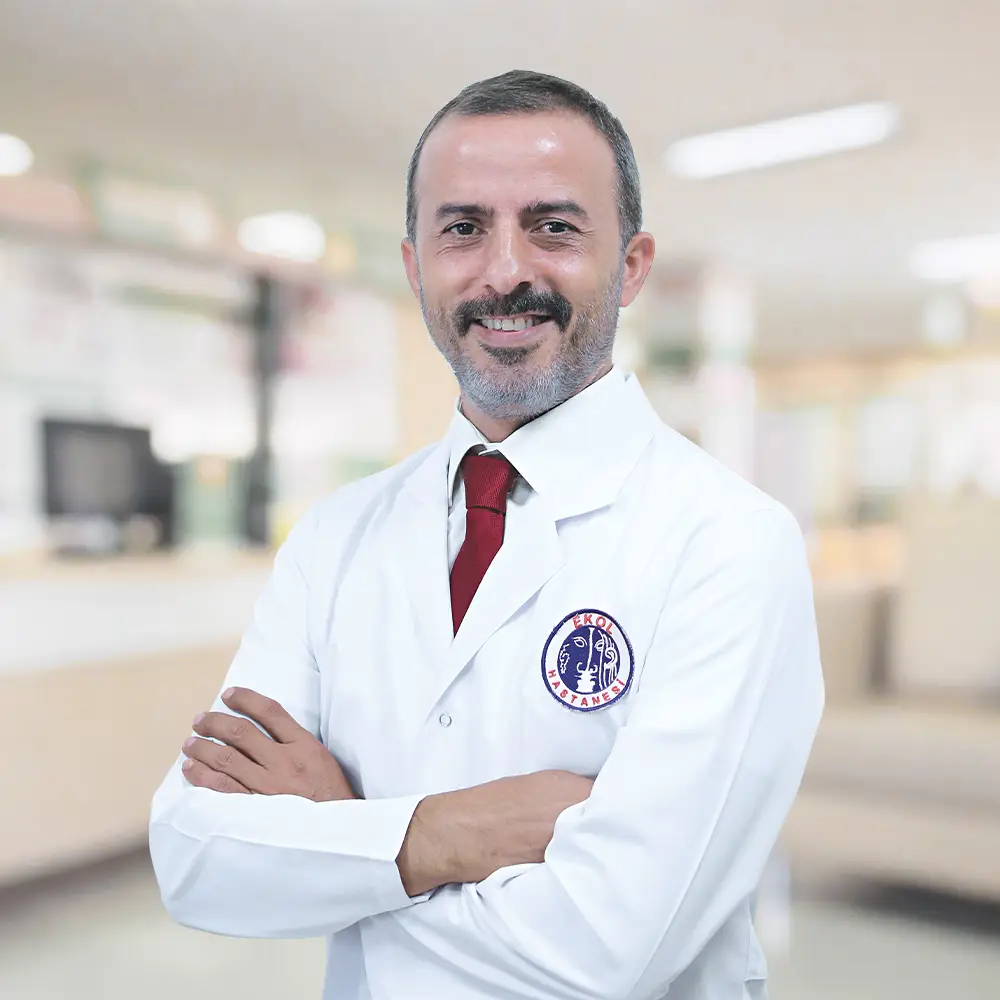 He completed his medical education at Dokuz Eylul University Faculty of Medicine between 1995 and 2001. He specialized in General Surgery at Ankara Training and Research Hospital between 2001 and 2006. He worked as a General Surgery Specialist at Ankara Training and Research Hospital between 2006 and 2008 and later at Ordu State Hospital between 2008 and 2013. In 2016, he received the title of Associate Professor in the Department of General Surgery, Faculty of Medicine, Izmir University. In 2015, he received the Turkish Surgical Association Proficiency Exam (Board) Certificate of Achievement. He is a member of Turkish Surgical Association, Turkish Colon and Rectum Surgery Association, National Endoscopic Laparoscopic Surgery Association, Bariatric and Metabolic Surgery Association, and Hepatobiliary Surgery Association. Between 2014 and 2016, he taught many undergraduate and graduate courses at Izmir University Faculty of Medicine. He has conducted many national and international studies and these studies have received many citations. Assoc. Prof. Dr. Ömer Yoldaş speaks English fluently. He has two children.
Knowledge Domain: Obesity Surgery and Metabolic Surgery, Laparoscopic Reflux Surgery, Laparoscopic Gallbladder Surgeries, Gastric Balloon Application, Gastric filler Application, Laparoscopic Gastric and Intestinal Cancer Surgeries, Haemorrhoid Surgeries, Perianal Fistula Surgeries, Laparoscopic Abdominal and Groin Hernia Surgeries, Breast Cancer Surgeries, Thyroid Cancer and Goitre Surgeries.
He completed his medical education at Dokuz Eylul University Faculty of Medicine between 1995 and 2001. He specialized in General Surgery at Ankara Training and Research Hospital between 2001 and 2006. He worked as a General Surgery Specialist at Ankara Training and Research Hospital between 2006 and 2008 and later at Ordu State Hospital between 2008 and 2013. In 2016, he received the title of Associate Professor in the Department of General Surgery, Faculty of Medicine, Izmir University. In 2015, he received the Turkish Surgical Association Proficiency Exam (Board) Certificate of Achievement. He is a member of Turkish Surgical Association, Turkish Colon and Rectum Surgery Association, National Endoscopic Laparoscopic Surgery Association, Bariatric and Metabolic Surgery Association, and Hepatobiliary Surgery Association. Between 2014 and 2016, he taught many undergraduate and graduate courses at Izmir University Faculty of Medicine. He has conducted many national and international studies and these studies have received many citations. Assoc. Prof. Dr. Ömer Yoldaş speaks English fluently. He has two children.
Knowledge Domain: Obesity Surgery and Metabolic Surgery, Laparoscopic Reflux Surgery, Laparoscopic Gallbladder Surgeries, Gastric Balloon Application, Gastric filler Application, Laparoscopic Gastric and Intestinal Cancer Surgeries, Haemorrhoid Surgeries, Perianal Fistula Surgeries, Laparoscopic Abdominal and Groin Hernia Surgeries, Breast Cancer Surgeries, Thyroid Cancer and Goitre Surgeries.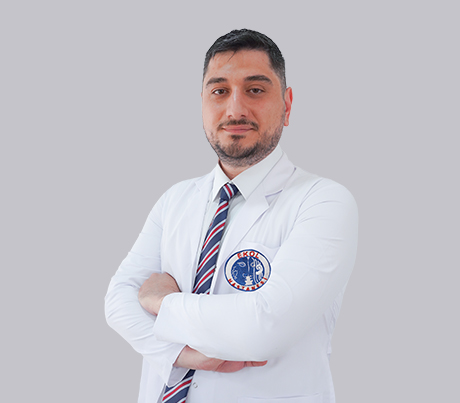 Date of birth
10.11.1987
Education and Expertise
Karadeniz Technical University Faculty of Medicine
Kocatepe University
Ankara University Faculty of Medicine
Konya Health Sciences University
Professional Interests:
Obesity (fatness) surgery and metabolic surgery
Laparoscopic reflux surgery
Laparoscopic gallbladder surgeries
Gastric balloon application
ERCP, EMR, ESD (Advanced Endoscopic procedures)
Laparoscopic pancreatic cancer surgery
Laparoscopic gastric and intestinal cancer surgeries
Hemorrhoid surgeries
Perianal fistula surgeries
Laparoscopic abdominal and inguinal hernia surgeries
Oncoplastic Breast cancer surgeries
Natural cancer surgery (NOSE)
Thyroid cancer and goiter surgeries.
Memberships to Scientific Organizations
Turkish Surgery Association
Turkish Obesity Surgery Association
Surgical Oncology Association
National Society of Endoscopic Laparoscopic Surgery
He is a member of the Bariatric and Metabolic Surgery Association.
Courses and Certificates:
Turkish surgical association proficiency exam (Board) certificate of achievement in 2018
He has more than 100 papers presented in national and international congresses and more than 50 articles published in international journals.
Foreign language
English
Date of birth
10.11.1987
Education and Expertise
Karadeniz Technical University Faculty of Medicine
Kocatepe University
Ankara University Faculty of Medicine
Konya Health Sciences University
Professional Interests:
Obesity (fatness) surgery and metabolic surgery
Laparoscopic reflux surgery
Laparoscopic gallbladder surgeries
Gastric balloon application
ERCP, EMR, ESD (Advanced Endoscopic procedures)
Laparoscopic pancreatic cancer surgery
Laparoscopic gastric and intestinal cancer surgeries
Hemorrhoid surgeries
Perianal fistula surgeries
Laparoscopic abdominal and inguinal hernia surgeries
Oncoplastic Breast cancer surgeries
Natural cancer surgery (NOSE)
Thyroid cancer and goiter surgeries.
Memberships to Scientific Organizations
Turkish Surgery Association
Turkish Obesity Surgery Association
Surgical Oncology Association
National Society of Endoscopic Laparoscopic Surgery
He is a member of the Bariatric and Metabolic Surgery Association.
Courses and Certificates:
Turkish surgical association proficiency exam (Board) certificate of achievement in 2018
He has more than 100 papers presented in national and international congresses and more than 50 articles published in international journals.
Foreign language
English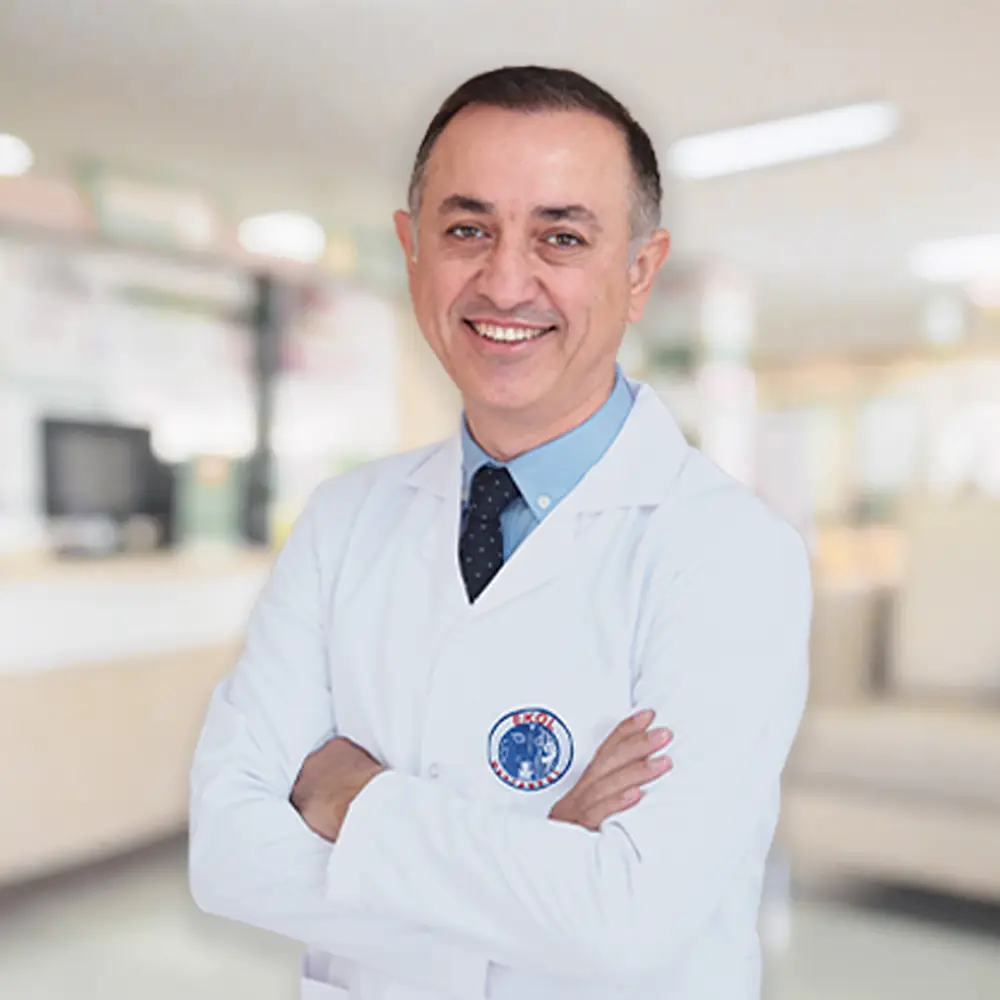 He completed his medical education at Osmangazi University Faculty of Medicine between 1990 and 1996, and his residency in General Surgery at Izmir Training and Research Hospital between 2004 and 2008. In 2008, he received the Turkish Surgical Association's Qualification Exam (Board) certificate of success. He is a member of Turkish Surgical Association, Turkish Colon and Rectum Surgery Association, National Endoscopic Laparoscopic Surgery Association, Bariatric and Metabolic Surgery Association. He worked as a lecturer at Istanbul Rumeli University between 2017 and 2020. He currently performs Laparoscopic Oncosurgery and Obesity Surgeries. He has many national and international studies and these studies have received many citations. Having a good command of English, Opr. Dr. Özgür Kavak is married and has two children.
Areas of interest: Laparoscopic Sleeve Gastrectomy, Laparoscopic Full Gastric Bypass, Laparoscopic Mini Bypass, Laparoscopic Type 2 Diabetes Surgery, Gastric Balloon Application with Endoscopic Method. In Non-Surgical Obesity Treatments: Stomach filler (Endoscopic), Laparoscopic Oncology Surgery (Colorectal, Stomach, Pancreas, Adrenal), Reflux - Gastric Hernia Surgery (Laparoscopic), Minimally Invasive Surgery, Laparoscopic Hernia Surgery, Endocrine Surgery (Thyroid - Breast Surgery), Haemorrhoid Surgery with Laser, Haemorrhoidopexy (LHP), Perianal Fistula Surgery with FILAC (Fistula Laser Closure) Method.
He completed his medical education at Osmangazi University Faculty of Medicine between 1990 and 1996, and his residency in General Surgery at Izmir Training and Research Hospital between 2004 and 2008. In 2008, he received the Turkish Surgical Association's Qualification Exam (Board) certificate of success. He is a member of Turkish Surgical Association, Turkish Colon and Rectum Surgery Association, National Endoscopic Laparoscopic Surgery Association, Bariatric and Metabolic Surgery Association. He worked as a lecturer at Istanbul Rumeli University between 2017 and 2020. He currently performs Laparoscopic Oncosurgery and Obesity Surgeries. He has many national and international studies and these studies have received many citations. Having a good command of English, Opr. Dr. Özgür Kavak is married and has two children.
Areas of interest: Laparoscopic Sleeve Gastrectomy, Laparoscopic Full Gastric Bypass, Laparoscopic Mini Bypass, Laparoscopic Type 2 Diabetes Surgery, Gastric Balloon Application with Endoscopic Method. In Non-Surgical Obesity Treatments: Stomach filler (Endoscopic), Laparoscopic Oncology Surgery (Colorectal, Stomach, Pancreas, Adrenal), Reflux - Gastric Hernia Surgery (Laparoscopic), Minimally Invasive Surgery, Laparoscopic Hernia Surgery, Endocrine Surgery (Thyroid - Breast Surgery), Haemorrhoid Surgery with Laser, Haemorrhoidopexy (LHP), Perianal Fistula Surgery with FILAC (Fistula Laser Closure) Method.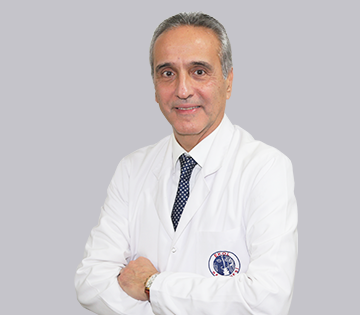 He graduated from Dokuz Eylül University, Faculty of Medicine. Between 1987 and 1991, he completed his specialization in general surgery at Buca SSK Hospital in Izmir. Between 1991 and 2016, he worked at Karşıyaka State Hospital, then until 2019 he worked as the General Surgery Specialist at Çiğli Training and Research Hospital. He is an active member of Turkish Surgical Association, Turkish Society of Colon and Rectal Surgery. He has experienced around 30,000 successful operations in the field of general surgery. Areas of interest: Laparoscopic gallbladder operations, gastrointestinal surgery, haemorrhoids and fissure surgeries, abdominal and inguinal hernia operations, breast cancer operations, thyroid cancer and goiter operations. Op. Dr. Attila El is married and has one child. He speaks fluent English.
 He completed his medical education at Istanbul University Cerrahpaşa Faculty of Medicine between 1986-1992. He completed his general surgery residency at İzmir Tepecik Training and Research Hospital between 1995-2000. In 2011, he received his education in the field of ERCP and Endoscopy at Afyon Kocatepe University. He worked as a specialist at Tepecik Training and Research Hospital, Karşıyaka State Hospital, Bakırçay University / Çiğli Training and Research Hospital between 2000-2021. He is a member of the Turkish Society of Surgery, Society of Endoscopic Laparoscopic Surgery, the bariatric and metabolic surgery society, and the Turkish Obesity Foundation. His special interest is Obesity Surgery.
The father of 2 children, Opr. Dr. Abdulkadir Korkmaz has a good command of English.
Areas of interest: Laparoscopic (closed) obesity (obesity) surgeries (sleeve – medicine stomach, gastric bypass) Gastric balloon application with endoscopic method in non-surgical obesity treatment Laparoscopic (closed) inguinal hernia surgeries Laparoscopic (closed) appendicitis surgeries Laparoscopic (closed) gallbladder surgeries Laparoscopic (closed) reflux - gastric hernia surgeries Goiter and Breast (breast cancer) surgeries Hemorrhoids treatment with laser Anescal surgery with laser
He completed his medical education at Istanbul University Cerrahpaşa Faculty of Medicine between 1986-1992. He completed his general surgery residency at İzmir Tepecik Training and Research Hospital between 1995-2000. In 2011, he received his education in the field of ERCP and Endoscopy at Afyon Kocatepe University. He worked as a specialist at Tepecik Training and Research Hospital, Karşıyaka State Hospital, Bakırçay University / Çiğli Training and Research Hospital between 2000-2021. He is a member of the Turkish Society of Surgery, Society of Endoscopic Laparoscopic Surgery, the bariatric and metabolic surgery society, and the Turkish Obesity Foundation. His special interest is Obesity Surgery.
The father of 2 children, Opr. Dr. Abdulkadir Korkmaz has a good command of English.
Areas of interest: Laparoscopic (closed) obesity (obesity) surgeries (sleeve – medicine stomach, gastric bypass) Gastric balloon application with endoscopic method in non-surgical obesity treatment Laparoscopic (closed) inguinal hernia surgeries Laparoscopic (closed) appendicitis surgeries Laparoscopic (closed) gallbladder surgeries Laparoscopic (closed) reflux - gastric hernia surgeries Goiter and Breast (breast cancer) surgeries Hemorrhoids treatment with laser Anescal surgery with laser He completed his medical education at Dokuz Eylul University Faculty of Medicine between 1995-2001. He completed his general surgery residency at Eskişehir Osmangazi University Faculty of Medicine between 2002-2007. He is a member of Turkish Surgery Association, Turkish Colon and Rectum Surgery Association, National Endoscopic Laparoscopic Surgery Association, Bariatric and Metabolic Surgery Association, Hepatobiliary Surgery Association and Endocrine Surgery Association. He has many national and international studies and these studies have been cited many times.
Fluent in English, Opr. Dr. Rıza Özdemir is married and has one child.
Areas of interest:
• Obesity (fatness) surgery and metabolic surgery
• Laparoscopic reflux surgery
• Laparoscopic gallbladder surgeries
• Gastric balloon application
• Stomach injection application
• Laparoscopic gastric and intestinal cancer surgeries
• Haemorrhoid surgeries
• Perianal fistula surgeries
• Laparoscopic abdominal and inguinal hernia surgeries
• Breast cancer surgeries
He completed his medical education at Dokuz Eylul University Faculty of Medicine between 1995-2001. He completed his general surgery residency at Eskişehir Osmangazi University Faculty of Medicine between 2002-2007. He is a member of Turkish Surgery Association, Turkish Colon and Rectum Surgery Association, National Endoscopic Laparoscopic Surgery Association, Bariatric and Metabolic Surgery Association, Hepatobiliary Surgery Association and Endocrine Surgery Association. He has many national and international studies and these studies have been cited many times.
Fluent in English, Opr. Dr. Rıza Özdemir is married and has one child.
Areas of interest:
• Obesity (fatness) surgery and metabolic surgery
• Laparoscopic reflux surgery
• Laparoscopic gallbladder surgeries
• Gastric balloon application
• Stomach injection application
• Laparoscopic gastric and intestinal cancer surgeries
• Haemorrhoid surgeries
• Perianal fistula surgeries
• Laparoscopic abdominal and inguinal hernia surgeries
• Breast cancer surgeries OBESITY CLINIC
 AESTHETIC CLINIC
 DENTAL CLINIC
 OPHTHALMOLOGY CLINIC
 HAIR CLINIC
 ONCOLOGY CLINIC
 EAR&NOSE&THROAT CLINIC
 CARDIOLOGY & CARDIOVASCULAR
 UROLOGY
 ORTHOPEDICS & TRAUMATOLOGY
 GASTROENTEROLOGY
 BRAIN & NEUROSURGERY
 INTERVENTIONAL RADIOLOGY
 DERMATOLOGY
 INTERNAL DISEASES
 INFECTIOUS DISEASES AND MICROBIOLOGY
 PULMONARY DISEASES
 PEDIATRICS
 NEUROLOGY
 PSYCHIATRY
 DIET & NUTRITION
 AUDIOLOGY
 CARDIAC SURGERY
 ANESTHESIOLOGY AND REANIMATION
 EMERGENCY PHYSICIAN
 GYNECOLOGY CLINIC
Our Vision: By using new information and technology, developing as a reference hospital with solutions to health problems based on patient satisfaction with the understanding of quality service.


